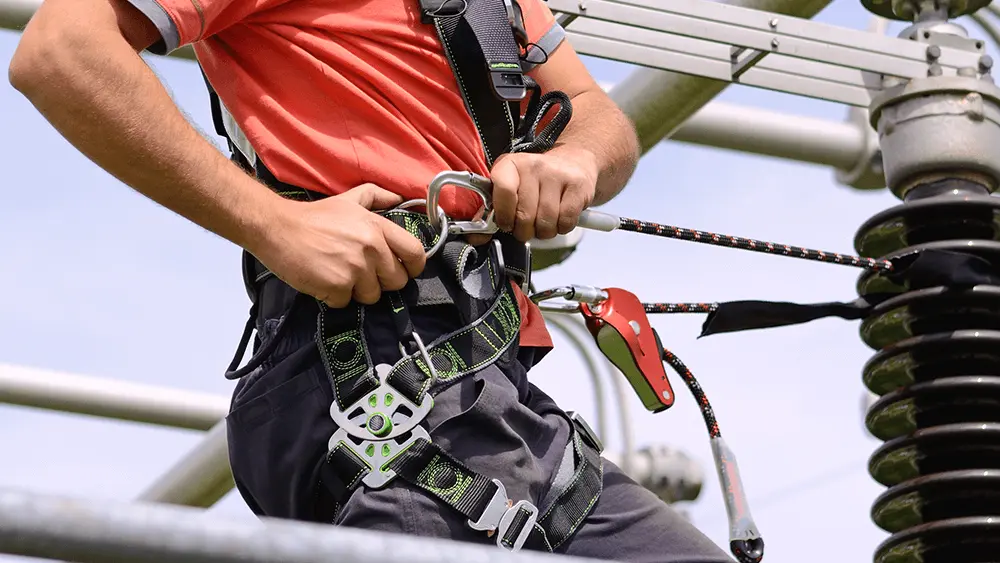
Partners in Safety
Partners in Safety: Forging a Unified Safety Culture
HomepageBusiness ServicesConsultingOrganizational Safety & ReliabilityPartners in Safety: Forging a Unified Safety Culture

Partners in Safety: Forging a Unified Safety Culture

When every worker goes home safe, we all succeed.

In today's complex workplace, contractors, subcontractors, and vendors are essential to your operations—but their "external" status creates unique vulnerabilities that impact both their safety and your business outcomes. Our Partners in Safety approach doesn't just bridge this gap—it transforms it into a powerful alliance that protects lives, strengthens culture, and drives performance.
The Hidden Safety Challenge
The manufacturing sector has seen contract labor surge 45% in just a decade, now representing 10% of the workforce. That's not just a statistic—it's one in ten workers on your site who need seamless integration into your safety practices.
Even organizations with exemplary safety records struggle with a critical disconnect between contractors and core teams—a gap that doesn't just increase risk; it directly correlates with preventable incidents.
The solution isn't just better oversight—it's true partnership.
Partners in Safety creates synchronicity across your entire workforce, establishing a unified culture where everyone, regardless of employment status, becomes an active guardian of workplace safety.

The Partners in Safety Framework: Four Pillars of Excellence

1. Connect Through a Shared Vision
Neuroscience confirms that powerful mantras do more than motivate—they rewire how teams think and act. When a contractor hears your safety mantra ("If it's not safe, we simply don't do it"), they aren't just receiving information—they're joining your safety covenant. This simple but profound approach transforms onboarding from procedural to inspirational.
2. Catch Drift Before Things Get Risky
True Partners in Safety aren't passive rule-followers—they're vigilant protectors. By fostering an environment where contractors openly share limitations and concerns, your entire team becomes a powerful early warning system. This collaborative risk assessment doesn't just prevent incidents—it builds trust that preserves operational continuity and protects your brand integrity.
3. Continue the Safety Conversation Every Day
Human nature gravitates toward silence and rushed execution. Excellence demands deliberate connection through planning meetings and work observations. Creating micro-alignment moments throughout the day doesn't just prevent risk—it builds the mutual accountability that distinguishes truly exceptional culture and consistently profitable projects.
4. Celebrate What Truly Matter
While safety milestones deserve recognition, it's the daily, data-driven acknowledgment of specific "micro-wins" that transforms behavior. These moments of recognition do more than boost morale—they establish clear models of excellence, creating a positive contagion effect that elevates performance across your entire workforce.
Begin Your Partnership Journey Today
Connect with DEKRA to transform how contractors and employees work together—creating a unified safety culture where everyone thrives.

Relevant Resources

Below are a few relevant insights to help you in your journey to build a safer working world. Looking for additional topics? Contact us and we can send you information on any number of topics.
Frequently Asked Questions (FAQs) About Contractor Safety Management and Safety Culture
Contractor safety management is the process of aligning contractors, subcontractors, vendors, and employees around shared safety expectations, practices, and responsibilities to reduce risk and improve safety performance across the organization.
Contractors often work alongside employees in high-risk environments. Without strong alignment, differences in expectations, communication, and safety practices can create gaps that increase exposure to incidents and operational disruptions. A unified approach helps strengthen both safety culture and business performance. A strong contractor safety culture helps everyone understand and uphold the same expectations.
Creating a unified safety culture requires more than contractor compliance. Organizations should establish a shared safety vision, encourage open communication, involve contractors in safety conversations, and reinforce positive safety behaviors through ongoing engagement and recognition. A unified contractor safety program helps make these practices consistent across the workforce.
Common challenges include inconsistent safety expectations, communication barriers, limited contractor engagement, onboarding gaps, and a lack of alignment between contractor and employee safety practices. These issues can weaken overall safety performance if not addressed proactively. Contractor safety consulting can help organizations identify gaps and build stronger alignment.
Effective contractor onboarding helps ensure workers understand site-specific hazards, safety expectations, risk controls, and organizational values before work begins. Strong onboarding creates alignment and helps contractors become active participants in workplace safety. Contractor safety training can reinforce this understanding throughout the project.
Organizations can improve contractor safety engagement by involving contractors in planning meetings, encouraging them to raise concerns, including them in safety observations and discussions, and recognizing positive safety contributions. These activities help build trust and shared accountability.
Contractor safety performance can be measured through leading indicators such as participation in safety activities, hazard identification, safety observations, engagement levels, corrective actions, and adherence to critical risk controls, as well as traditional lagging indicators.
Contractor safety best practices include establishing shared safety expectations, integrating contractors into safety culture initiatives, maintaining open communication, conducting collaborative risk assessments, recognizing positive safety behaviors, and continuously reinforcing safety throughout the project lifecycle.
Share page :