Process Safety Incident Investigation

Industrial incidents are extremely disruptive to organizations and individuals. The result of an industrial incident can range from minor injuries, property damage and small chemical spills to fatalities, total loss of property, and major chemical releases.

It is important to thoroughly investigate all industrial incidents to identify the root causes and completely understand the incident – what occurred, how did it occur, why, what failures led to the occurrence, and what are the robust control systems that can be implemented to prevent recurrence. In the aftermath of a process safety incident, it is extremely important to seek the assistance of Subject Matter Experts from professionals with a wide range of knowledge and experience. DEKRA Process Safety Specialists can quickly deploy to begin the investigation before the site is contaminated or compromised in other ways. Early access to witnesses and evidence is critical to prevent distortion of memory and eyewitness accounts as well as to avoid evidence deterioration. We can conduct investigations in parallel with organizations such as OSHA and the Chemical Safety Board, insurance company representatives and local governmental investigators.

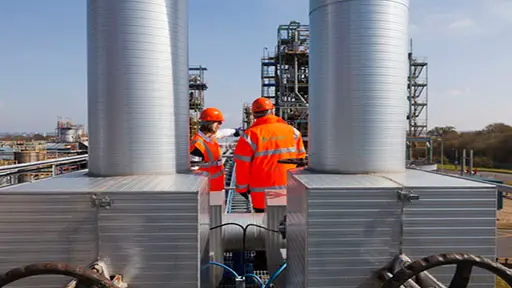
Our safety experts examine the root causes of incidents in industrial settings

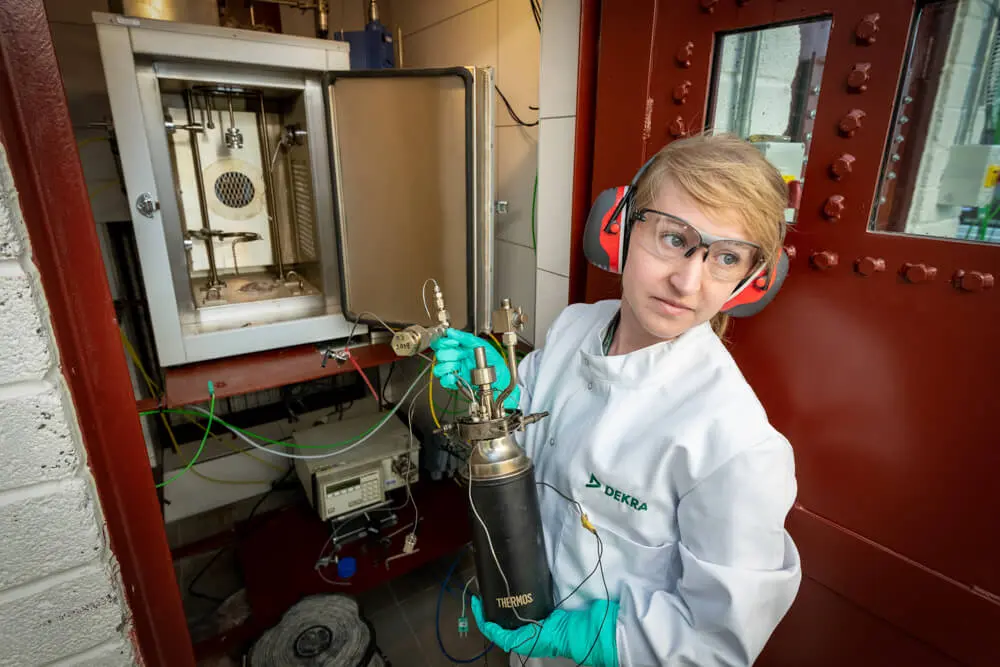
We incorporate science and technology to validate information and evidence collected from incident sites. We have our own laboratory facilities equipped to conduct testing needed to understand what occurred and the mechanisms that led to energy release. We can conduct large-scale incident recreations to confirm causative theories. Our conclusions are based on our knowledge of chemistry and physics, and Chemical, Mechanical, and Electrical Engineering experts, as well as our extensive experience in industrial processes and incident investigations. Expert witnesses from our industry-leading consulting and laboratory staffs are experienced in providing testimony in depositions and in court settings to aid the progress of litigation and in settling claims.


A thorough approach to Incident Investigation

We combine a pragmatic approach that includes our decades of plant experience with our extensive knowledge of published industry practices. We adhere to relevant guidelines such as the National Fire Protection Association’s (NFPA 921) “Guide for Fire and Explosion Investigations.” Our staff is experienced in many Root Cause Analysis methods including 5 Whys, Fault and Event Tree, fishbone diagrams and Root Cause Analysis. We can also offer advice and services for incident pre-creation or re-creation testing that may be effective in understanding what happened.
DEKRA Process Safety can document the report, causes and findings in a way that satisfies regulatory requirements, such as OSHA’s Process Safety Management regulation and the EPA’s Risk Management Plan rule, as well as local, state and internal requirements.
Related Downloads
Frequently Asked Questions (FAQs) About Process Safety Incident Investigations
A process safety incident investigation is a structured analysis conducted after a fire, explosion, chemical release, near miss, equipment failure, or other significant process event. The investigation examines what happened, why it happened, and which corrective actions are needed to address contributing factors and prevent a similar event from occurring again.
Process safety incident investigations help organizations identify underlying causes, strengthen safeguards, improve management systems, and reduce the likelihood of recurrence. An effective process safety investigation transforms incidents and near misses into learning opportunities that can improve hazard awareness, operational reliability, and overall process safety performance.
Root cause analysis is a systematic method for identifying the organizational, technical, operational, human, and management system factors that contributed to an incident. Rather than stopping at the immediate cause, a root cause investigation examines the deeper conditions and weaknesses that allowed the event to occur.
An incident investigation should be conducted after process safety events such as fires, explosions, toxic releases, equipment failures, significant operational upsets, and near misses. Investigating near misses is especially valuable because these events may reveal weaknesses in equipment, procedures, safeguards, or management systems before a more serious incident occurs.
A process safety incident investigation typically includes evidence collection, personnel interviews, document reviews, timeline reconstruction, root cause analysis, and identification of contributing factors. Process safety incident investigation services may also support the development of corrective actions designed to address identified weaknesses and prevent recurrence.
A regulatory investigation often focuses on whether specific compliance requirements were met. A process safety incident investigation examines the broader technical, organizational, human, operational, and management system factors that contributed to the event. Its purpose is to support learning, corrective action, and long term risk reduction in addition to understanding potential compliance issues.
Independent incident investigation consulting provides specialized expertise, objectivity, and experience drawn from different industries and types of incidents. An external incident investigation consultant can evaluate evidence without internal assumptions and may identify contributing factors, management system weaknesses, or systemic issues that an internal team could overlook.
A root cause investigation may identify inadequate procedures, training deficiencies, ineffective management systems, organizational factors, equipment reliability problems, communication breakdowns, or weaknesses in risk management processes. Effective root cause analysis looks beyond immediate actions or human error to determine which underlying conditions allowed the incident to occur.
After the incident investigation, the organization typically receives a report describing the evidence reviewed, findings, root causes, contributing factors, lessons learned, and recommended corrective actions. These recommendations can help strengthen safeguards, improve procedures and management systems, and reduce future risk exposure.
Well executed process safety incident investigation services promote organizational learning, accountability, and greater hazard awareness. By focusing on underlying system weaknesses instead of blame, investigations encourage employees and leaders to report concerns, learn from incidents and near misses, implement corrective actions, and support continuous process safety improvement.
Find us on:
linkedinfacebookxyoutube
Share page :